Our History
WAVS was started by a woman named Martha Reynolds, a retired quality engineer living in the Seattle area. Martha made her first trip to Guinea-Bissau in 1994 with a church team. She was 64 years old at the time.
How did WAVS get started?
Martha felt a strong connection with the people she met in West Africa, so she made several more trips to Guinea-Bissau by herself throughout the 1990s. With each visit, she formed new friendships and learned more about the country. In 2000, Martha and a small group of volunteers formed the nonprofit that eventually became West African Vocational Schools.
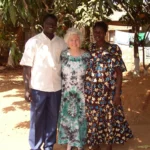
Martha, a widower at the time, married Herb Reynolds in 2002. The pair traveled to Guinea-Bissau almost every year from 2003 to 2012, often living in the country for up to six months at a time. It was during these trips that they laid the groundwork for the first WAVS vocational school.
Why start a vocational school in West Africa?
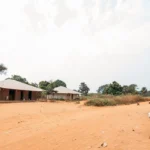
During their trips to Guinea-Bissau, Herb and Martha lived in a rural town called Canchungo, a community of about 20,000 people with few paved roads and little access to electricity.
Many people in Canchungo had small farms, but they earned very little money. Lacking other opportunities, some young people were drawn into drug trafficking. Because Herb and Martha had become well-connected to the community, local leaders asked them if they would help young people find a way to earn better incomes. The community leaders made it clear they didn’t want handouts. Instead, they asked Herb and Martha for a more sustainable solution: to open a vocational school.
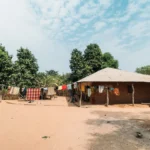
The first WAVS vocational school
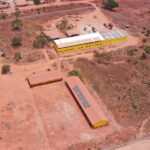
Herb and Martha agreed to help. With funding from donors and local labor from the community, the first WAVS vocational school opened in 2006 after three years of construction. The first year, the school only had a handful of students. But as more students enrolled each year, the school eventually grew to train hundreds of young men and women every year.
What are the next steps?
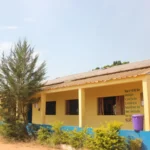
In 2022, WAVS relocated its operations to the capital, Bissau, where it opened a new campus. Currently, this school trains 400 students each year and eventually will have the capacity to serve more than 2,000 students per year.
To help fund this growth, WAVS introduced One Student, which is a way for anyone to directly help sponsor a student.
Read More